
5 Smart Business Resolutions for 2026
December 18, 2025
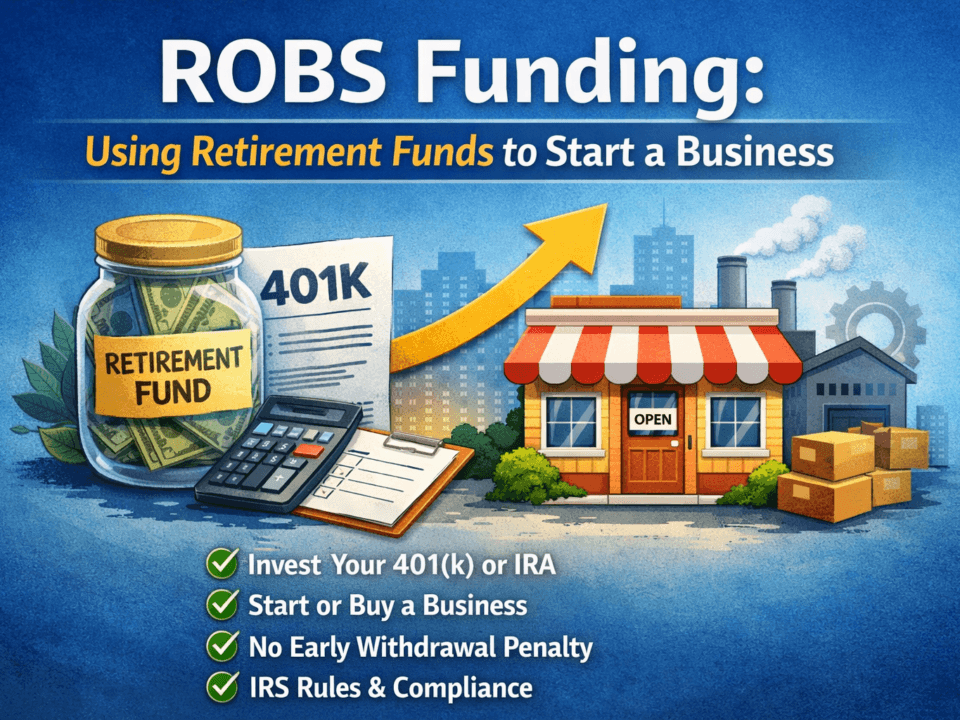
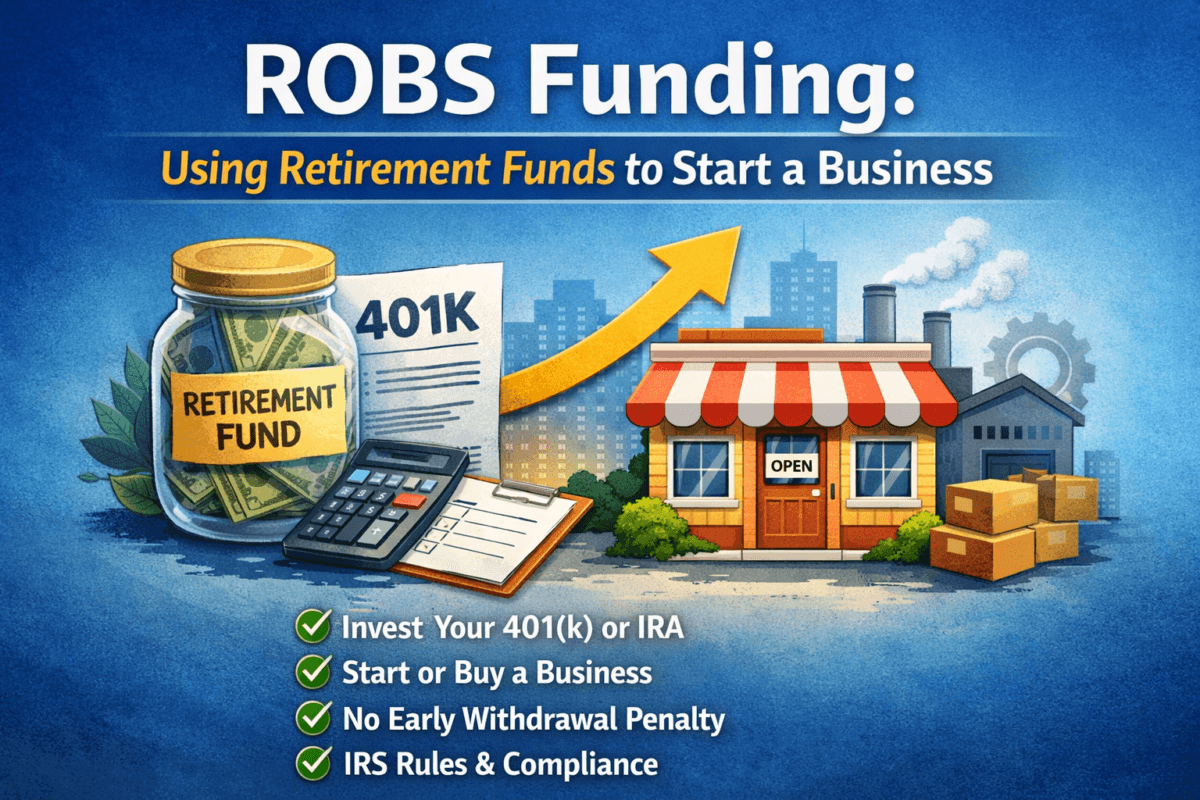
ROBS Funding: Use Retirement Funds to Start a Business
March 16, 2026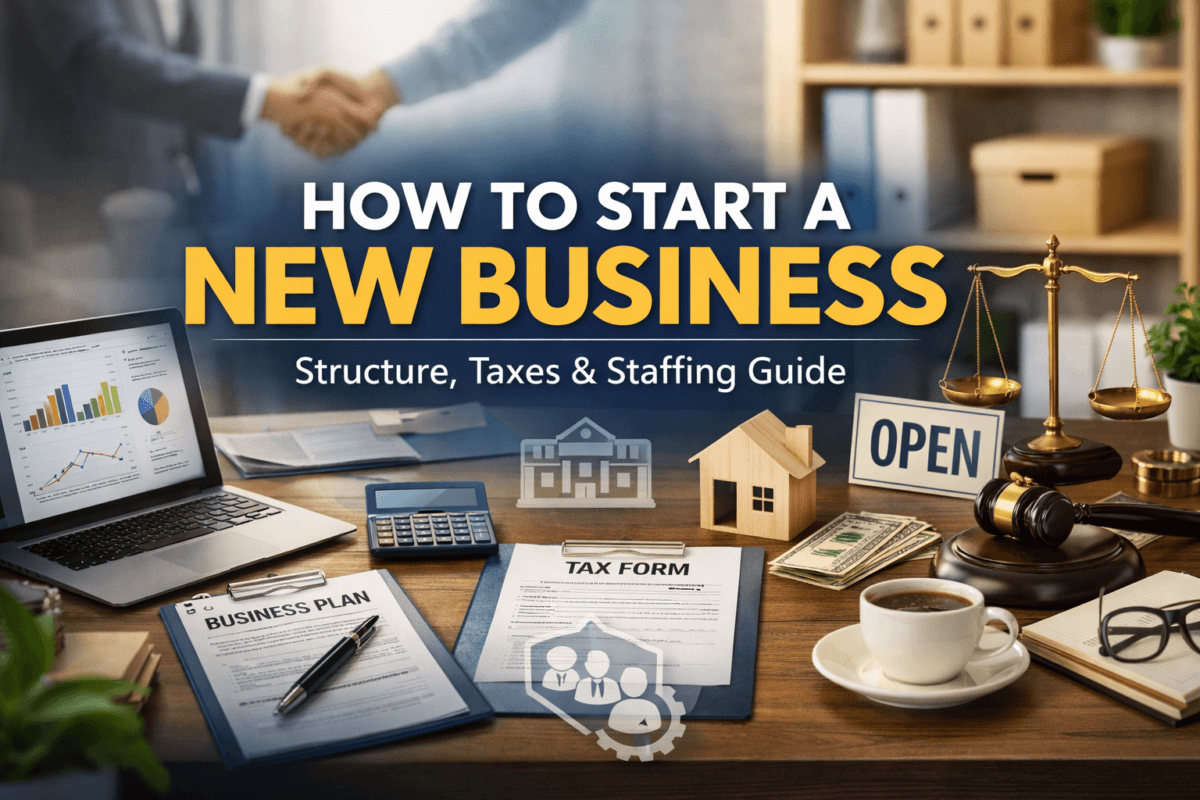
What You Need to Start a New Business: A Complete Guide for New Entrepreneurs
Compliments of FSMC Bookkeeping Services
Starting a new business is exciting—but it’s also complex. Beyond a great idea, success depends on making smart decisions around structure, taxes, compliance, staffing, and financial management from day one. Skipping these fundamentals can lead to costly mistakes later.
This guide walks through what is needed to start a new business, including organizational structures, tax considerations, staffing decisions, registrations, sales tax obligations, and why professional accounting and bookkeeping support is essential—even in the earliest stages. For best practices, this article aligns with the guidance and services offered by FSMC Bookkeeping Services at fsmcquickbooks.com.
Choosing the Right Business Structure
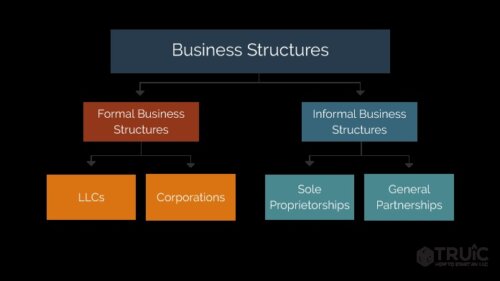
One of the first and most important decisions is selecting a legal structure. Your choice affects taxes, liability, compliance requirements, and growth flexibility.
Sole Proprietorship
A sole proprietorship is the simplest structure and often used by freelancers or solo consultants.
Taxation
-
Business income is reported on your personal tax return
-
Subject to income tax and self-employment tax
Pros
-
Easy and inexpensive to start
-
Minimal regulatory requirements
Cons
-
No legal separation between personal and business assets
-
Higher personal risk exposure
Partnership (General or Limited)
Partnerships involve two or more owners sharing profits, losses, and responsibilities.
Taxation
-
Pass-through taxation
-
Each partner reports income on their personal return
Pros
-
Shared capital and expertise
-
Flexible management
Cons
-
Partners may be personally liable
-
Requires a well-drafted partnership agreement
Limited Liability Company (LLC)
LLCs are one of the most popular structures for small and medium-sized businesses.
Taxation
-
Default pass-through taxation
-
Can elect to be taxed as an S Corporation or C Corporation
Pros
-
Personal asset protection
-
Flexible tax treatment
-
Relatively simple compliance
Cons
-
State fees and reporting requirements
-
Varies by state
Corporation (C Corp and S Corp)
Corporations are more formal entities designed for scalability.
C Corporation Taxation
-
Pays corporate income tax
-
Shareholders pay tax again on dividends
S Corporation Taxation
-
Pass-through taxation
-
Payroll requirements for owner compensation
Pros
-
Strong liability protection
-
Easier access to investors
Cons
-
More complex administration
-
Increased compliance and reporting
Registering Your Business: State and Federal Requirements
 Once your structure is chosen, registration is essential.
Federal Registration
Most businesses must obtain an Employer Identification Number (EIN) from the Internal Revenue Service. This is required to:
-
Open business bank accounts
-
File tax returns
-
Hire employees
State Registration
Depending on your location, you may need to:
-
Register with the Secretary of State
-
Obtain state tax IDs
-
Apply for industry-specific licenses or permits
Failing to register properly can delay operations or trigger penalties.
Employees vs. Independent Contractors
Staffing decisions affect taxes, compliance, and cash flow.
W-2 Employees
Employees are integral to long-term growth but come with obligations.
Employer Responsibilities
-
Payroll tax withholding
-
Employer-paid Social Security and Medicare
-
Unemployment insurance
-
Workers’ compensation coverage
Best For
-
Core operational roles
-
Long-term positions
1099 Independent Contractors
Contractors offer flexibility and lower upfront costs.
Key Considerations
-
No payroll tax withholding
-
Must meet legal contractor classification standards
-
Misclassification penalties can be severe
Best For
-
Project-based work
-
Specialized services
Many businesses use a hybrid approach—contractors early on, transitioning to employees as revenue stabilizes.
Sales Tax: Collection and Compliance
If you sell taxable goods or services, sales tax compliance is critical.
Registration
You may need to:
-
Register with your state’s Department of Revenue
-
Obtain a sales tax permit
Ongoing Obligations
-
Collect sales tax at the point of sale
-
File monthly, quarterly, or annual returns
-
Remit collected taxes on time
Sales tax rules vary by state and product type, making professional guidance invaluable.
Hiring and Building Your Team
Finding the right people is about more than filling roles.
Where to Find Talent
-
Professional networking platforms
-
Industry job boards
-
Referrals and local business groups
Hiring Best Practices
-
Clearly define job roles and expectations
-
Use structured interview processes
-
Perform background and reference checks
As your business grows, formal HR policies and employee handbooks become essential.
Legal and Accounting Support: Not Optional
Many new business owners delay professional support to save money—often at great cost later.
Legal Counsel
A business attorney can help with:
-
Entity formation
-
Contracts and agreements
-
Compliance and risk management
Accounting and Tax Professionals
Professional accountants help ensure:
-
Proper entity setup
-
Accurate tax filings
-
Strategic tax planning
Early guidance prevents errors that become expensive to unwind.
Why a Bookkeeper Is Valuable from Day One
Bookkeeping is often underestimated—but it’s foundational.
What a Bookkeeper Does
-
Tracks income and expenses
-
Manages accounts payable and receivable
-
Reconciles bank and credit card accounts
-
Supports payroll and tax preparation
Benefits for New Businesses
-
Real-time financial visibility
-
Clean records for tax compliance
-
Better cash flow management
- Data-driven decision making

Using cloud-based platforms like QuickBooks, professional bookkeeping services—such as those offered by FSMC Bookkeeping Services—help business owners stay organized, compliant, and focused on growth.
Final Thoughts: Build It Right from the Start
Starting a new business requires more than passion—it demands structure, compliance, and financial discipline. Choosing the right entity, registering properly, understanding taxes, hiring correctly, and investing in professional support sets the foundation for long-term success.
Whether you’re launching a startup or transitioning from a side hustle into a full-time operation, working with experienced bookkeeping and accounting professionals ensures you build your business the right way—accurately, compliantly, and strategically—from day one.
For expert guidance, bookkeeping support, and QuickBooks-based financial systems tailored to new businesses, visit fsmcquickbooks.com.
#StartANewBusiness #SmallBusinessStartup #BusinessFormation #BusinessStructure #LLCvsCorporation #EntrepreneurTips #NewBusinessOwner #BusinessTaxes #StartupAccounting #BookkeepingServices #QuickBooksExpert #SalesTaxCompliance #HireEmployees #IndependentContractors #SmallBusinessAccounting #BusinessCompliance #EntrepreneurLife #FSMCBookkeeping